
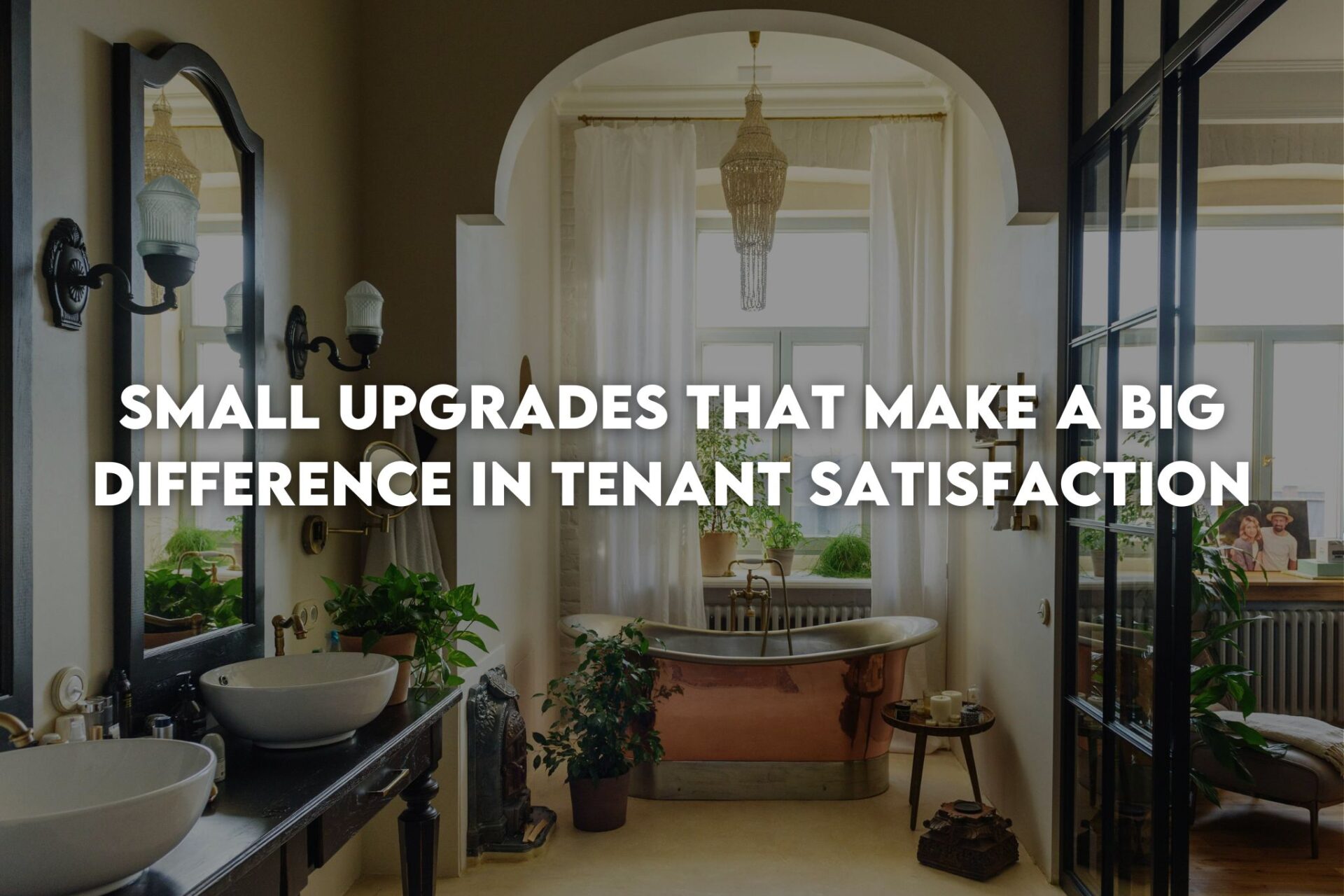
Tenant satisfaction is often shaped by small details that landlords might overlook. Minor upgrades in units or common areas can drastically improve comfort and convenience. These changes create a visible and emotional impact, which often translates into longer tenancies. Recognizing small opportunities to enhance the property environment can directly improve relationships with tenants. Implementing minor improvements can make a big difference in tenant satisfaction, fostering trust and loyalty.
Property owners often underestimate the power of small improvements. A fresh coat of paint, updated fixtures, or even better lighting can transform a space. Besides, consistent attention to property condition demonstrates care and professionalism. Tenants notice when owners prioritize comfort, convenience, and aesthetics. This attention to detail creates a strong foundation for long-term satisfaction.
First Impressions Begin at the Entrance
Curb appeal is more than aesthetics; it sets the tone for the entire property—clean pathways, well-kept lawns, and proper lighting signal that the property is maintained. Tenants and visitors form opinions about the space within seconds. Similarly, small upgrades like replacing old door handles or painting entry doors enhance first impressions quickly and affordably.
Outdoor upgrades can also increase safety, which can improve bookings. Bright pathway lights reduce accidents and make tenants feel secure. Flower beds, trimmed hedges, and clean sidewalks contribute to a welcoming environment. Such improvements demonstrate care without heavy costs. Besides, first impressions influence tenant pride and overall satisfaction.
Lighting That Transforms Comfort and Mood
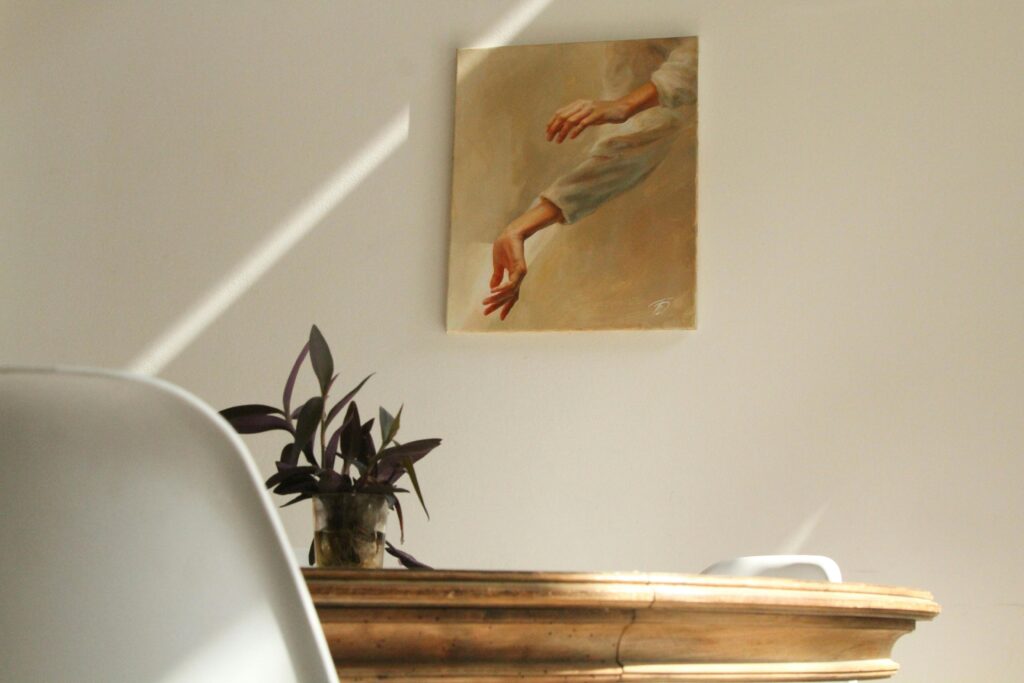
Proper lighting affects both mood and usability of spaces. Dim hallways or poorly lit kitchens can frustrate tenants. Upgrading to bright, energy-efficient LEDs is affordable and practical. Not to mention, LED lighting reduces electricity costs while improving ambiance.
Installing motion-sensor lights in hallways or entry points enhances security. Smart switches allow tenants to adjust brightness easily. Bright, inviting spaces improve perceived quality of the property. Tenants feel more comfortable and valued when small lighting changes are made.
Turning Extra Space into Practical Storage Solutions
Unused areas in apartments or buildings often end up wasted when clutter starts to pile up. Transforming these forgotten spots into efficient storage can instantly boost comfort and functionality. Attics, small closets, or the space beneath stairs can easily become organized storage zones with the right setup—shelves, hooks, or stackable bins.
With a bit of planning, even compact spaces can serve multiple purposes. Also, by installing cabinets or modular shelving in the attic, you can make this space useful for storing seasonal items, sports gear, or household supplies. These simple upgrades not only save room but also create a cleaner, more appealing living environment.
Well-designed storage areas enhance daily living, reduce clutter-related frustration, and add long-term value to the property. Tenants or homeowners appreciate spaces that help them stay organized effortlessly while keeping their homes comfortable and tidy.
Smart Home Features: Affordable Tech That Tenants Love
Smart locks, thermostats, and lighting are simple ways to modernize properties. Tenants appreciate conveniences that save time and increase safety. Of course, keyless entry and programmable thermostats are easy upgrades that make everyday life smoother.
Installing smart home features can be cost-effective and yield high returns. Tenants value modern, functional properties, and these upgrades show care for their lifestyle. They make a big difference in tenant satisfaction without requiring massive investment. Technology combined with simplicity elevates living experiences.
The Power of Functional Common Spaces
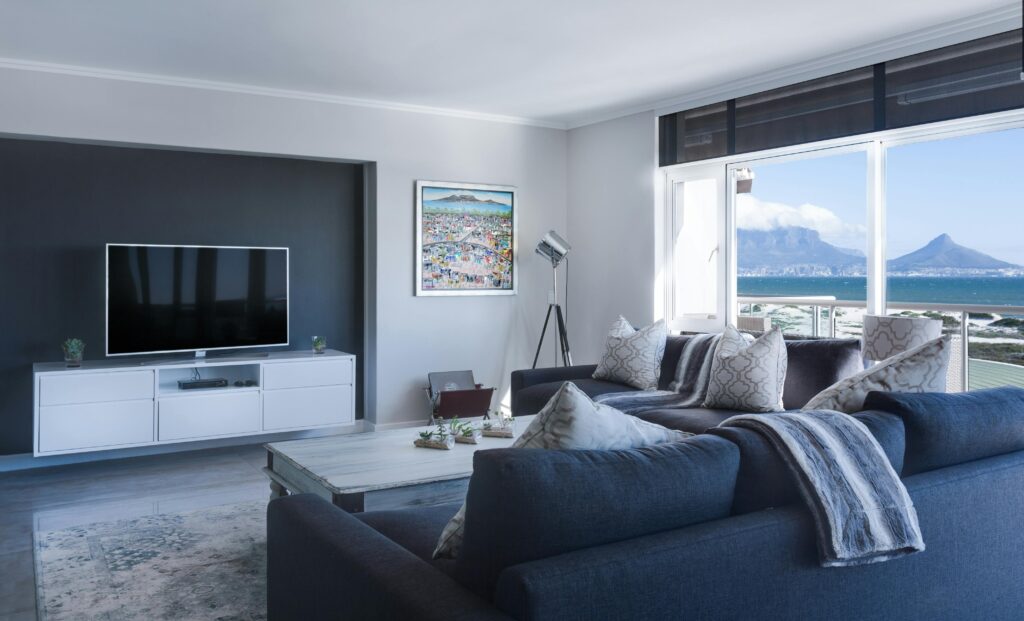
Shared areas can add significant value to properties. Spaces like bike storage, co-working corners, or small lounges improve tenant satisfaction. As a matter of choice, functional spaces encourage community interaction and make tenants feel part of something bigger.
Even simple additions like seating areas, coffee stations, or Wi-Fi corners create more enjoyable experiences. Well-thought-out common spaces improve usability and show that the tenant’s needs are considered. Landlords gain loyalty, and tenants perceive better overall value.
Quiet Comfort: Simple Soundproofing Fixes
Noise issues cause stress and can increase turnover. Minor soundproofing improvements reduce complaints and enhance comfort. Door seals, draft stoppers, and thicker curtains are easy solutions. Similarly, rugs and soft furnishings absorb sound and make units feel more private.
Addressing noise proactively shows attentiveness to tenant comfort. Small investments in quiet spaces prevent larger conflicts and maintenance issues. Tenants are more likely to stay when they feel their environment supports peace and privacy.
Bathroom and Kitchen Upgrades That Feel Luxurious
Bathrooms and kitchens are high-impact areas where minor updates make a big difference. Swapping outdated faucets, handles, and light fixtures creates a fresh, modern feel. Besides, replacing showerheads with efficient models saves water and adds value.
Simple improvements like new cabinet hardware or countertops in good condition elevate the perceived quality of a unit. Upgraded spaces feel cared for and modern without large-scale renovations. Tenants enjoy small luxuries and appreciate attention to practical details.
Communication and Maintenance Response: The Human Upgrade
Prompt and transparent communication is crucial for satisfaction. Tenants want quick responses to maintenance requests and clear updates. Whereas slow replies create frustration, proactive contact fosters trust.
Using maintenance apps or simple digital forms makes requests easier for tenants and more manageable for landlords. Efficient communication complements physical upgrades. Tenants recognize effort and responsiveness, which contribute to retention and positive feedback.
Measuring the Difference in Tenant Satisfaction
Collecting feedback after tenants move out matters most. Surveys, comment boxes, or digital apps are practical ways to measure satisfaction. Similarly, analyzing patterns in complaints or suggestions helps identify priority areas for improvement.
Tracking retention rates alongside upgrades shows tangible returns on small investments. Monitoring satisfaction metrics helps landlords refine strategies and ensure changes have a meaningful impact. Feedback loops make tenants feel heard and valued.
Small Upgrades, Lasting Results
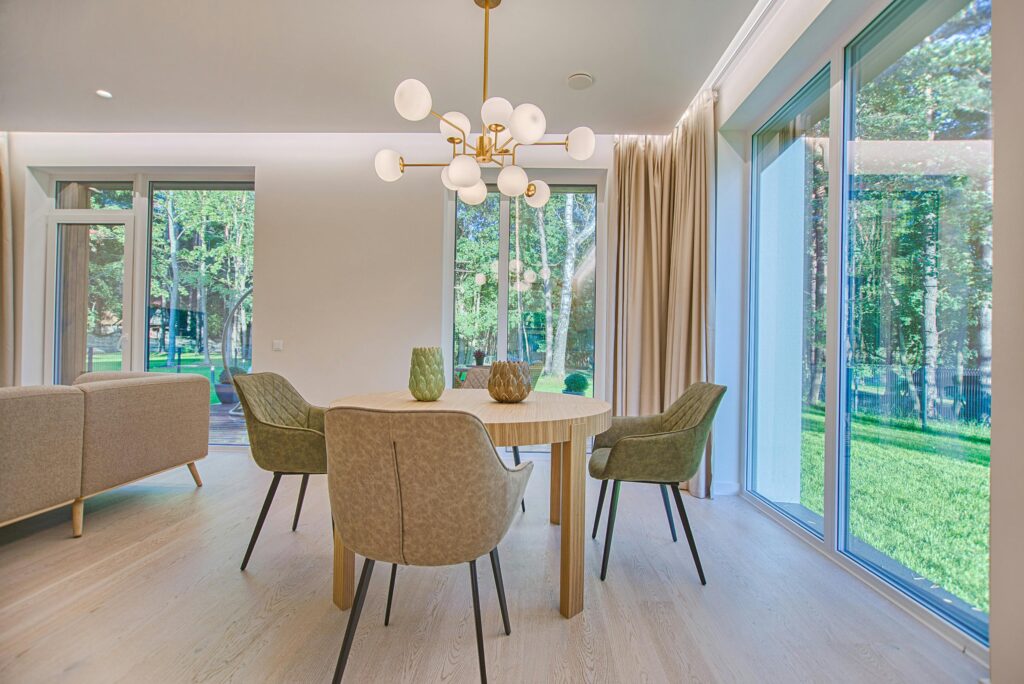
Even minor enhancements make a big difference in tenant satisfaction. Physical upgrades, like lighting, fixtures, and shared spaces, combine with attentive communication to boost comfort and loyalty. Besides, these changes reduce turnover and improve the property’s reputation.
Starting small allows landlords to manage costs while gradually improving tenant experiences. Every thoughtful improvement strengthens relationships and demonstrates care. With attention to detail, small upgrades transform the property into a space tenants are proud to call home. Investing in these changes is a practical strategy for long-term satisfaction and retention.