First impressions matter. When potential tenants walk into a rental property, the layout and feel of the furniture can influence their decision instantly. A well-arranged space appears larger, cleaner, and more functional. It also allows renters to envision themselves living there. That is where smart positioning plays a big role. Knowing the right tips for rental open‑house appeal helps you turn a basic showing into an attractive presentation.
Think Function First, Then Add Style
Prioritize how people will move and function in each space. Don’t block access to doors or windows. Leave enough space for people to walk around without squeezing. Then, once everything is in place, add style with throws, cushions, or small decorative touches. It is essential to make the most of the space you have rather than overcrowding it with unnecessary extras. Simple pieces with clean lines often work better in rental showings.
Start with a Clean Slate Before Arranging Anything
Before placing any furniture, start by clearing the area. A clean, clutter-free space gives you better insight into proportions. That lets you make better decisions about layout and flow. Removing excess items helps emphasize the features of the space rather than distract from them. If you are using existing furniture, pare it down to essential, functional pieces. This initial reset creates a blank canvas that helps you see the room’s full potential without distraction.
Don’t Forget the Practical Side of Packing
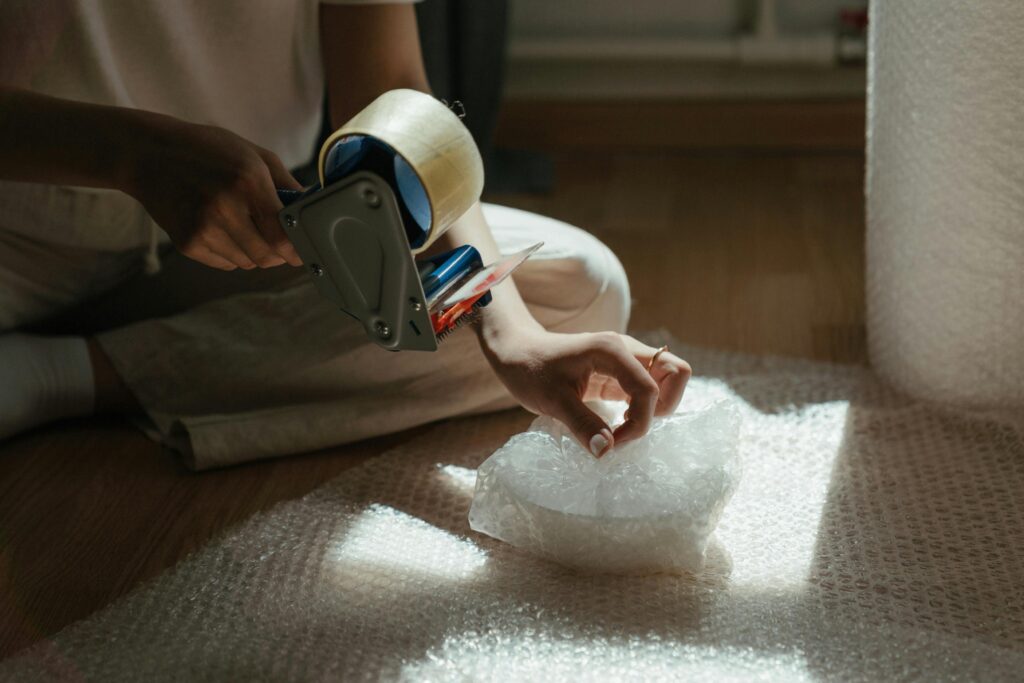
Staging a home involves more than choosing the right furniture or decor—it’s also about protecting the items you bring in. Whether it’s a ceramic bowl, framed artwork, or a glass vase, take a little extra time to prepare each piece properly. Use bubble wrap, soft cloths, or foam to cushion surfaces and prevent cracks or chips. Avoid overloading boxes, and fill empty spaces with crumpled paper or towels to keep everything secure. When moving items in or out, packing delicate stuff with care helps them stay in perfect condition and keeps your setup looking polished. One small scratch can distract buyers from the overall impression you’re trying to make.
Tips for Rental Open‑House Appeal: Create Zones That Define Each Area Clearly
Especially in open layouts or studio units, defining separate zones makes the space more livable. Group your furniture to show a clear purpose—dining, lounging, or working. Use area rugs or lighting to break up sections visually. That helps visitors understand the utility of each space, even if the square footage is small. A clear layout makes the apartment feel organized and thoughtfully arranged rather than improvised.
Use Furniture to Help Organize Your Accessories
Scattered decor can confuse potential tenants. Instead, choose furniture that supports order and ease. Storage benches, sideboards, or coffee tables with compartments keep surfaces neat and showcase organization. Organize your accessories by grouping items such as books, plants, or dishware so everything looks intentional. This kind of order makes your place feel calm and well-maintained.
Avoid Pushing Furniture Directly Against Walls
One common mistake is lining everything up against the perimeter of a room. Pulling couches or chairs slightly away from the walls creates breathing room. This small shift tricks the eye into seeing the space as larger and more open. It also enhances flow, especially in living or seating areas, where conversation and comfort matter.
Make Bedrooms Feel Relaxing and Balanced
A bed should always be the focal point of the bedroom. Center it on the longest wall and keep bedside tables balanced on either side. Use lamps for symmetry and softness. Avoid placing large dressers near doorways or windows. Too much furniture in a bedroom makes it feel crowded and interrupts that sense of calm people look for in personal spaces.
Be Strategic About How You Set Up Your Furnished Property for Rent
Each item you include should serve a purpose to increase rental open‑house appeal. Oversized sectionals or bulky cabinets can overwhelm a room. Smaller, flexible pieces offer better flow and appeal. Opt for armless chairs or nesting tables that tuck away when not needed. When you set up your furnished property for rent, consider who your likely renter is. A student will prioritize desk space, while a family may care more about open areas—appeal to their needs, not just your style.
Incorporate Mirrors to Open Up the Room
Mirrors reflect light and space, making rooms feel brighter and more expansive. Placing a large mirror opposite a window works well in small or dark areas. Even smaller mirrors can create depth when grouped on a wall. This simple visual trick improves the overall feel without taking up physical space. It is a low-cost way to enhance openness and add elegance without cluttering the layout.
Use Rugs to Anchor and Scale Furniture
An area rug should fit all or most of the furniture within a group. For example, in a living room, at least the front legs of all seating should rest on the rug. That gives the arrangement cohesion. Too small a rug breaks up the flow. Too large a rug can dominate. Find the right balance so everything feels grounded. The right rug placement ties the room together and adds warmth without overwhelming the design.
Balance Visual Weight for a More Comfortable Flow
Every room has a visual weight, created by the size, color, and placement of its furniture. Distribute that weight evenly to avoid making one side of the room feel heavier than the other. For instance, if you have a large sofa on one wall, balance it with a bookshelf, a tall plant, or artwork across from it. Uneven setups can make the space feel awkward or lopsided. Aim for symmetry or intentional contrast that guides the eye and keeps the room feeling stable and welcoming.
Layout Matters More Than You Think
The success of your open house often depends on subtle details. Furniture arrangement influences how big or livable a place feels. It affects emotional reactions and practical judgments. By following smart tips for rental open‑house appeal, you help renters imagine a lifestyle, not just a space. Choose your pieces wisely, arrange them with purpose, and always leave room to move. These adjustments don’t require huge investments but can result in faster leasing and more interest.