
When a tenant moves out, a landlord’s responsibilities don’t end with the return of the keys. The days following a move-out are crucial for protecting your investment, maintaining property value, and preparing for new occupants. A well-structured post-move-out process not only ensures a smooth transition but also minimizes costly mistakes and potential disputes. From inspections and repairs to financial settlements and re-listing, each step matters. Understanding the essential procedures to follow after tenant move-out helps landlords stay organized and confident as they turn the page to the next rental chapter.
Procedures to Follow After Tenant Move-Out: A Detailed Move-Out Inspection
The first task after a tenant vacates is to inspect the property thoroughly. Walk through each room and compare the current condition to your original move-in checklist. Take clear photos, note any damages, and pay attention to details like carpet stains, wall scuffs, or appliance wear. This inspection establishes a factual record that supports fair decision-making later, especially when it comes to handling the security deposit.
Distinguish Between Damage and Normal Wear
Not every imperfection counts as damage. Small nail holes, minor scuffs, or fading paint fall under normal wear and tear. However, broken fixtures, missing hardware, or large wall holes are typically considered tenant-caused damage. Understanding this difference protects both parties from misunderstandings. It’s also an opportunity to evaluate whether certain materials or finishes need upgrading to withstand better future tenant use.
Process the Security Deposit Fairly
One of the most important procedures to follow after tenant move-out is handling the security deposit properly. Once your inspection is complete, calculate any valid deductions and return the remaining balance within the legally required timeframe. Transparency builds trust, so include an itemized statement that clearly explains what was withheld and why. Adhering to these rules not only protects you from disputes but also reinforces your reputation as a fair and responsible landlord. Even when deductions are necessary, professional and courteous communication ensures the process ends on a positive note.
Clean and Refresh the Property
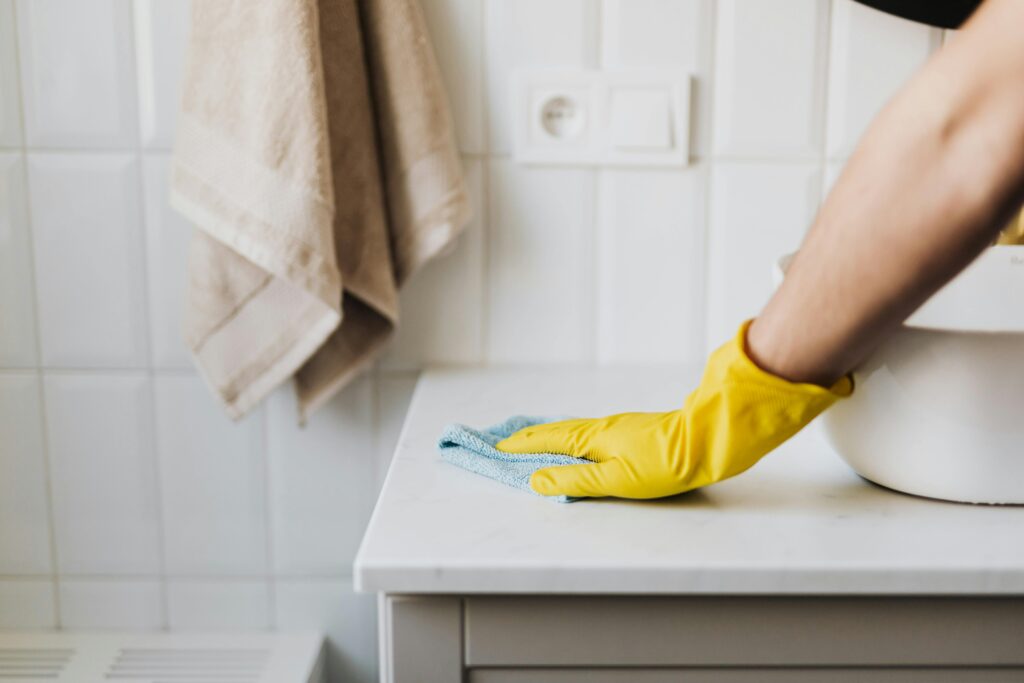
A freshly cleaned property is far more inviting to potential renters. Once the old tenant has moved out, schedule a deep cleaning. That includes scrubbing appliances, steam-cleaning carpets, disinfecting bathrooms, and washing windows. Replace air filters, touch up paint, and check for lingering odors. Even small details, like clean baseboards or polished hardware, can make the space feel cared for and ready for its next occupant.
Handle Repairs and Maintenance Proactively
Beyond cleaning, take the opportunity to handle any needed repairs. Fix leaky faucets, replace broken tiles, and ensure all appliances work properly. That is also the ideal time to perform preventative maintenance, such as checking smoke detectors or servicing the HVAC system. A proactive approach prevents larger problems later and gives new tenants a sense of security and comfort when they move in.
Change Locks or Reset Access Codes
For safety and peace of mind, always rekey the locks or reset digital entry codes after a tenant moves out. You can’t be sure how many duplicate keys exist, so updating access is a simple yet critical measure. A secure property protects both your investment and your new tenants. Many landlords also take this opportunity to upgrade to smart locks, which make future transitions smoother.
Settle Utility Accounts and Final Bills
Before re-listing the property, verify that all utilities—electricity, water, gas, and internet—have been transferred out of the previous tenant’s name. Contact utility companies if needed to confirm that final bills are settled. This step prevents billing confusion or unexpected charges. Some landlords temporarily keep utilities active in their own name while showing or cleaning the property to make access easier.
Evaluate and Update the Rental Listing
Once your property is refreshed, take the time to update your rental listing with clear, high-quality photos and accurate descriptions that show its current condition. Highlight any recent improvements, added amenities, or neighborhood features that make the property appealing. Honest and engaging listings tend to attract responsible tenants faster and reduce vacancy periods. At the same time, focus on staying safe from scammers by only using trusted listing platforms, verifying every inquiry before sharing personal details, and keeping communication transparent and professional.
Renters, on the other hand, can protect themselves by avoiding rental scams through a few practical steps—never finalizing anything before viewing the property in person, always requesting a written lease agreement, and staying alert for inconsistencies in payment requests or property information.
Screen New Tenants Thoroughly
Finding reliable tenants is just as important as maintaining your property. A thorough screening process—checking background, employment, and rental history—helps ensure that new occupants are financially stable and respectful of your space. While this step can take time, it greatly reduces the risk of future issues, such as late payments or property neglect. Reliable tenants are the foundation of long-term rental success.
Review Lease Terms and Local Regulations
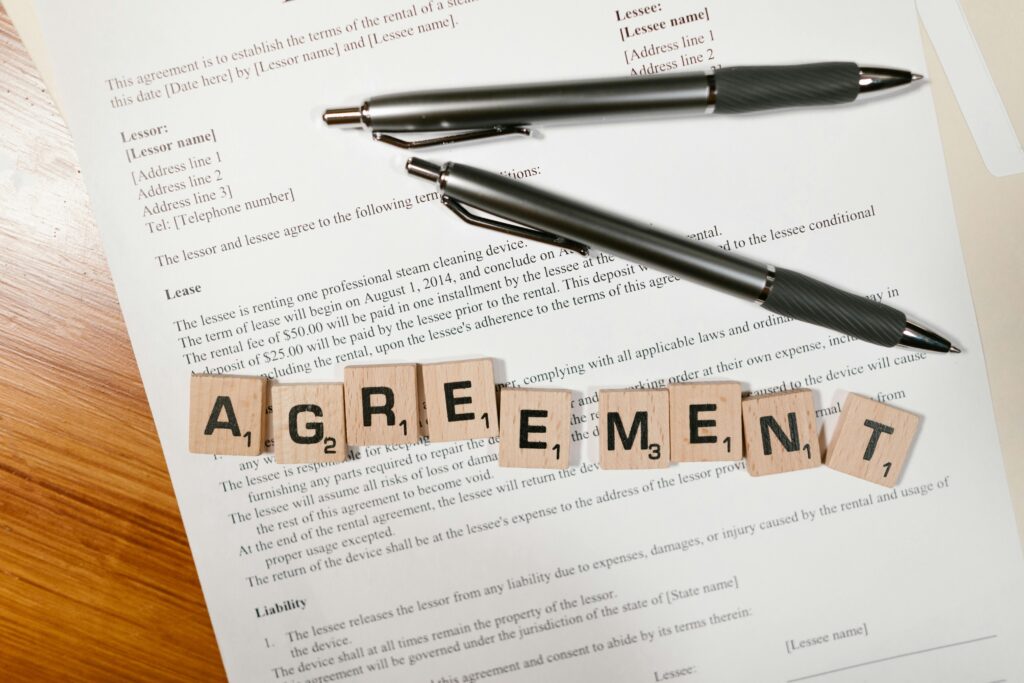
Before signing with a new tenant, review your lease template to ensure it complies with local laws and reflects current policies. That includes updates on pet clauses, maintenance responsibilities, and late payment penalties. Being clear and legally compliant protects both parties and minimizes future misunderstandings. Staying informed about regional landlord-tenant laws keeps your business professional and transparent.
Adjust Rent and Market Strategy
Market conditions fluctuate, so it’s smart to reassess your rental rate after each move-out. Research similar listings in your area to ensure your pricing remains competitive. If needed, consider minor improvements that justify a modest rent increase. Small touches—like new lighting, modern fixtures, or fresh landscaping—can enhance appeal without major investment. Balanced pricing attracts quality tenants while maximizing your property’s potential.
Maintain Professional Communication with Former Tenants
Even after tenants move out, professionalism goes a long way. Sending a thank-you message or confirming the deposit return fosters goodwill and leaves a positive final impression. Happy former tenants are more likely to recommend your property or provide referrals in the future. A courteous end to the tenancy reflects well on you as a landlord and strengthens your overall reputation.
Making Your Property a Desirable Place to Live
Understanding the procedures to follow after a tenant moves out is essential for maintaining a well-managed rental property and ensuring a smooth transition between tenants. Each step—from inspections and cleaning to security measures and marketing—plays an important role in preserving your investment and protecting your reputation as a landlord. By following these procedures carefully, you minimize risks, prevent disputes, and keep your property in top condition. A structured approach not only saves time and money but also helps you attract responsible tenants who value a well-cared-for home. In the long run, mastering these post-move-out procedures is the key to running a successful, sustainable rental business.